
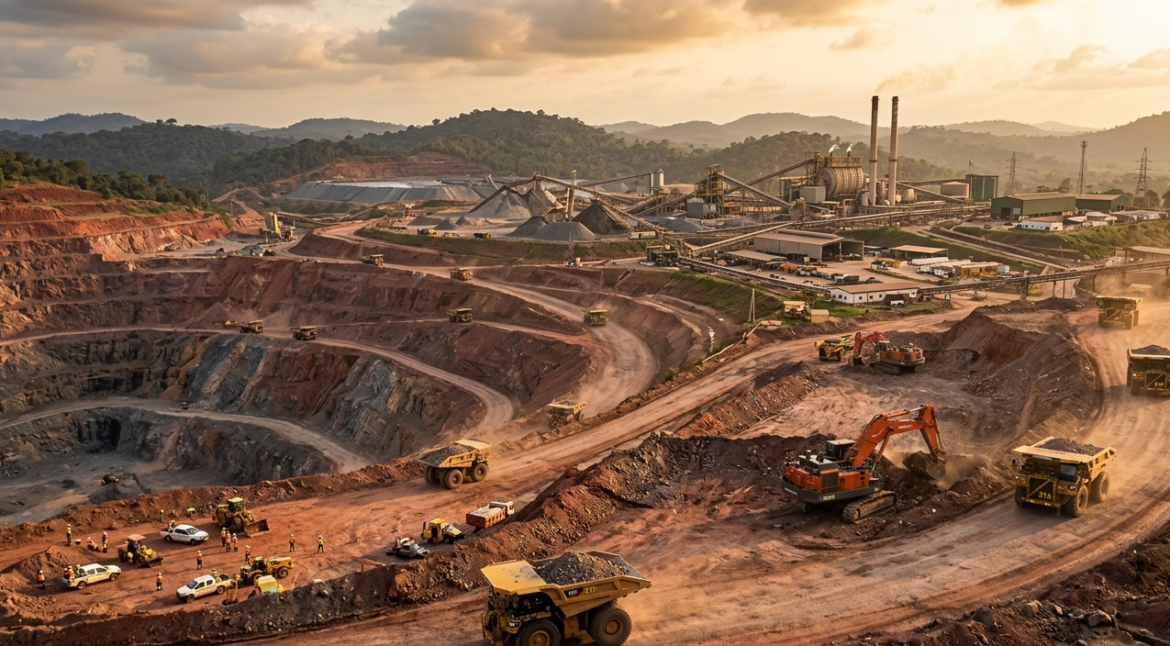
The Ghana gold royalty hike is creating significant changes across the mining and refining sectors. As global gold prices rise above $5,000 per ounce, Ghana has introduced a new royalty structure to capture more value from its natural resources.
This policy marks a turning point in how Ghana manages its gold wealth and positions itself in the global market.
Understanding the Ghana Gold Royalty Hike
The Ghana gold royalty hike replaces the long-standing flat 5% royalty with a sliding scale ranging from 5% to 12%. The rate increases as gold prices rise, reaching the highest level when prices exceed $4,500 per ounce.
Government officials argue that the previous system limited national revenue. By adjusting royalties based on market conditions, Ghana aims to:
- Increase national income during high gold prices
- Fund infrastructure and development projects
- Strengthen long-term economic growth
Why This Policy Matters for Ghana
The Ghana gold royalty hike reflects a broader effort to ensure that Ghana benefits more from its gold resources. Recent figures show that gold exports generated nearly $21 billion, yet much of the value left the country through raw exports and foreign processing.
With this reform, Ghana seeks to:
- Retain more revenue locally
- Strengthen its refining industry
- Improve control over gold trade
For companies like Koinonia Gold Refinery Ltd, this creates a stronger case for expanding local refining capacity.
Learn more about our refining services → /gold-refining-services
Concerns From Mining Companies and Investors
Despite its benefits, the Ghana gold royalty hike has raised concerns among major mining companies such as Newmont, Gold Fields, and AngloGold Ashanti.
Industry leaders argue that:
- Higher royalties may reduce profit margins
- Investment may shift to other countries
- New mining projects could slow down
Some experts also warn that investors often move capital to regions with lower costs and more predictable policies.
Balancing Revenue Growth With Investment Stability
The success of the Ghana gold royalty hike depends on careful implementation. While higher royalties increase government revenue, they must not discourage long-term investment.
Experts suggest:
- Gradual policy adjustments
- Transparent communication with investors
- Data-driven monitoring of market reactions
A balanced approach ensures Ghana remains competitive while maximizing benefits from rising gold prices.
The Role of Refining in This New Era
As mining policies evolve, refining becomes even more important. The Ghana gold royalty hike strengthens the argument for processing gold locally rather than exporting it in raw form.
Local refining helps:
- Increase value retention within Ghana
- Improve gold quality and traceability
- Create jobs in processing and logistics
- Attract international buyers seeking verified gold
Koinonia Gold Refinery Ltd supports this transition by delivering high-quality refining services aligned with global standards.
What Lies Ahead for Ghana’s Gold Sector
Th initiative represents a bold step toward economic control and resource management. While challenges remain, the policy signals Ghana’s commitment to building a stronger and more sustainable gold industry.
As global demand for gold continues to grow, Ghana’s ability to balance regulation, investment, and local refining will determine its long-term success.